Start with the quick procurement answer
Welded vs seamless stainless steel pipe is not a universal quality contest. Seamless material has no longitudinal manufacturing weld seam. Welded material is formed and joined along a seam using a controlled process. Neither label, standing alone, defines grade, dimensions, heat treatment, surface, testing, code acceptance or fitness for service.
Begin with the governing code, product standard, service conditions and project specification. Identify which routes are permitted. If both are allowed, compare offers that hold grade, dimensions, tests, records, ends, finish, quantity, packing and commercial scope constant. If only one route is allowed, write the restriction on the RFQ and require approval for any alternative.
Record why the route matters: a code clause, client requirement, dimensional need, fabrication plan, qualification basis or documented project preference. That reason becomes the approval test for alternatives and prevents route from becoming an unsupported proxy for quality.
This independent comparison makes no claim that YUHUA currently supplies either route. Company scope and availability require item-specific evidence outside the route decision.
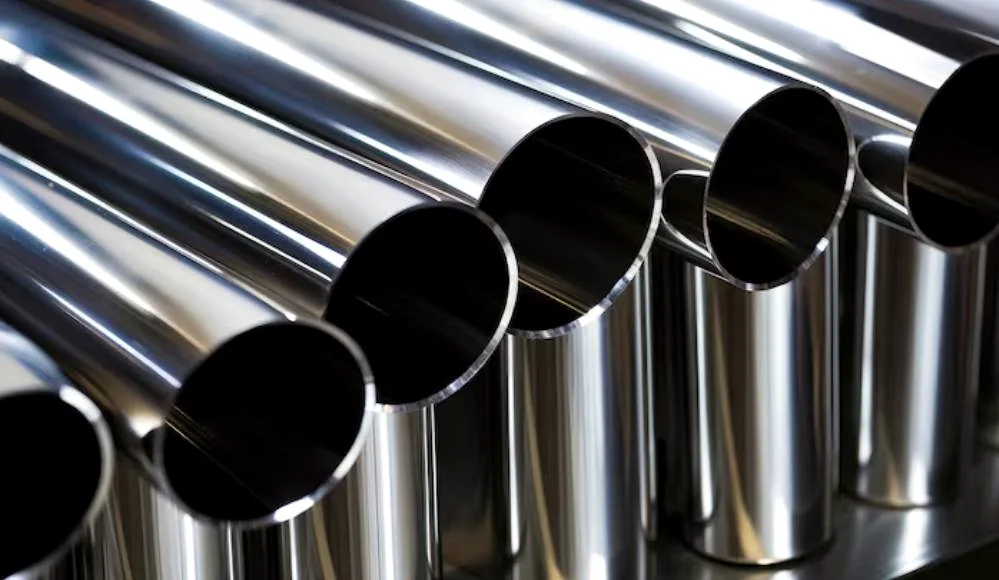
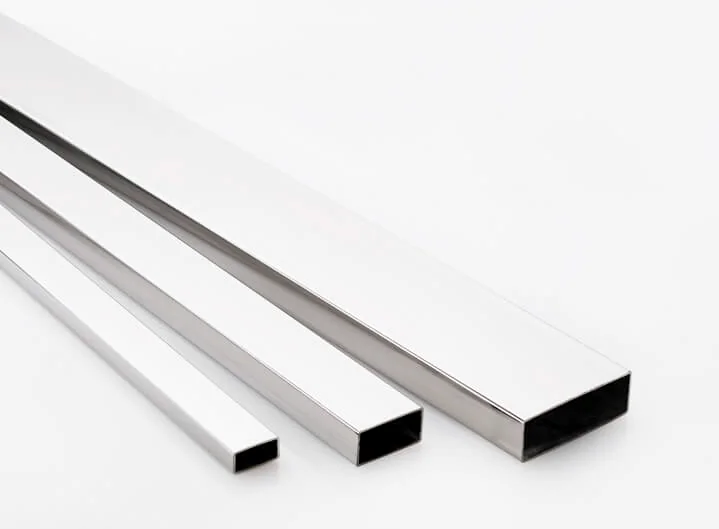
Understand what changes with the route
A welded product makes seam process, seam condition, and seam examination explicit topics. A seamless product removes that longitudinal seam, but it still passes through forming, sizing, heat treatment, finishing, and inspection. Chemistry, dimensions, wall, straightness, surface condition, material identity, and required examinations remain important.
Practical availability can differ by outside diameter, wall, length, quantity, material, and finish. One route may be easier to obtain for a project while another may reduce a specific fabrication concern. Do not turn that commercial observation into a general engineering rule. Get current offers and have the design authority review route-specific deviations.
Ask each bidder to state the offered route consistently in the quotation and documents where required. Ambiguous descriptions should be clarified before price comparison.
Let the governing standard do its job
ASTM A312/A312M is an example of a specification whose scope includes seamless, straight-seam welded, and heavily cold-worked welded austenitic stainless steel pipe for high-temperature and general corrosive service. Its existence shows that route selection sits inside a larger specification containing material, heat treatment, dimensions, tests, and other requirements.
ASTM A554 addresses welded mechanical tubing for ornamental, structural, exhaust, and other applications within its own scope. Similar alloy names and shapes do not make the two standards interchangeable. A pressure line, mechanical tube, and decorative rail can require different documents even when all are stainless and round.
Use the edition approved by the project. Check supplementary requirements and referenced documents. A web summary is an orientation tool, not the complete standard.
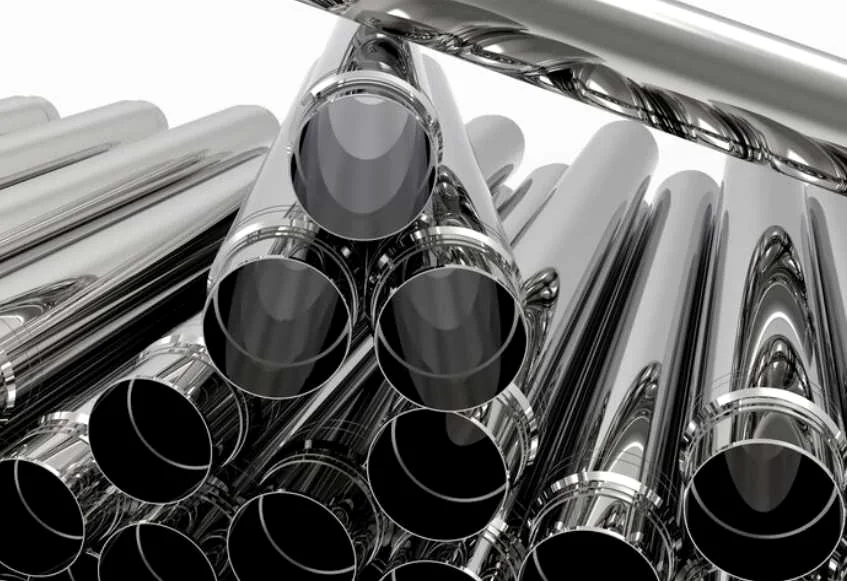
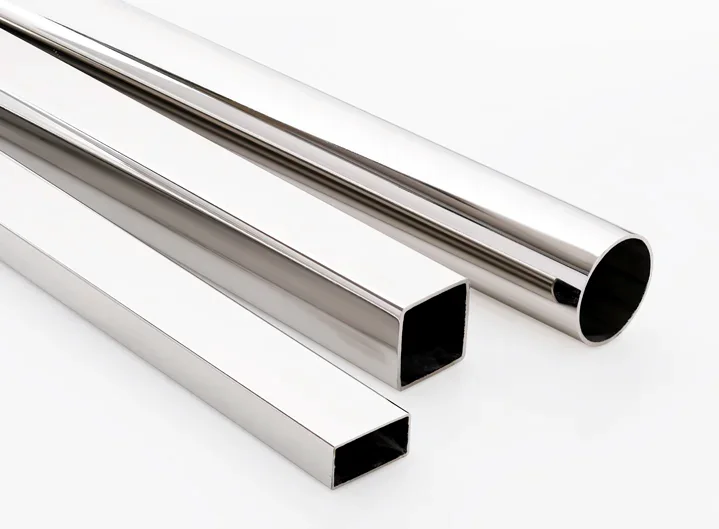
Compare corrosion and fabrication without shortcuts
Corrosion performance depends on alloy, environment, surface condition, fabrication history, deposits, crevices, cleaning, and maintenance. A seamless route does not make stainless immune to an unsuitable environment. A welded route does not automatically fail in corrosive service. The material and fabrication basis must match the project.
Describe chlorides, process chemicals, temperature, wet-dry cycles, cleaning agents, and contact with other metals. Then describe downstream cutting, bending, welding, machining, polishing, and cleaning. worldstainless provides independent background on stainless grades and fabrication, but engineering must convert that background into the approved specification.
If visible appearance matters, compare seam visibility, surface finish, bend behavior, and post-fabrication restoration against a sample. If automated joining matters, compare ends, straightness, wall consistency, cleanliness, and qualification needs.
Build one test and evidence matrix
Create rows for material identity, chemistry, mechanical properties, heat treatment, dimensions, visual condition, route-specific examination, other nondestructive or pressure tests, marking, and document delivery. Cite the governing requirement beside every row. Name the party who supplies the evidence and the party who approves it.
Request order-specific records. Check that product description, grade, standard, route, dimensions, and identifiers agree. A sample certificate or archived product page does not establish future production. If the route changes, ask for a new technical comparison rather than editing one word in the offer.
A phrase such as fully tested is not an inspection plan. State method, coverage, acceptance criteria, report, witness point, and release authority where required.
Compare total project cost, not one unit price
Normalize material price, cut length, yield allowance, finishing, end preparation, tests, documents, inspection, packing, freight, and exclusions. Then add downstream fabrication effects that the project can reasonably evaluate. A higher material price may reduce later work; a lower one may still be correct if it meets the same basis. The calculation needs real quotations, not general claims.
Lead time should be tied to the exact item and approval path. Ask when timing becomes firm, what drawings or documents must be approved first, and when records will arrive. A previous order is not a current commitment.
Record the chosen route, reason, governing documents, and accepted deviations. That decision record helps receiving, fabrication, and future maintenance teams understand what was approved.
Use a six-step decision workflow
First, confirm service and governing documents. Second, list permitted routes. Third, issue identical RFQs apart from the route field. Fourth, compare deviations, evidence, and availability. Fifth, review fabrication and total project cost. Sixth, approve the route and preserve the decision record.
Use the welded homepage to prepare a seam-aware request. Use the A554 page only when welded mechanical tubing is the approved product basis. This site does not link horizontally to the seamless site. The comparison lives here as a single owned topic, which avoids cross-site duplication and keeps the decision page authoritative.
Send the final technical package to YUHUA for a current review. A written response may confirm, decline, or propose an alternative. It should never be pre-written by this page.
Technical references
Questions buyers ask
Is seamless stainless pipe always stronger or safer?
No universal conclusion follows from the absence of a longitudinal seam. Strength and safety depend on grade, dimensions, heat treatment, manufacturing control, governing code, tests, fabrication, service, and delivered evidence evaluated by the responsible engineer.
Can a supplier choose the route without approval?
Only when the governing documents permit both routes and the offer clearly identifies the selected one. Any change from the requested route should be shown as a deviation and approved before purchase.
What belongs in a route-comparison matrix?
Include code, product standard and edition, grade, dimensions, route, heat treatment, surface, ends, tests, records, quantity, packing, freight, exclusions, fabrication effects, lead time, and every proposed deviation.
Does this comparison establish YUHUA welded or seamless ranges?
No. It compares routes independently. Company product scope, standards, dimensions, tests, documents and availability require current, item-specific evidence and are outside the comparison conclusion.