Understand the published scope
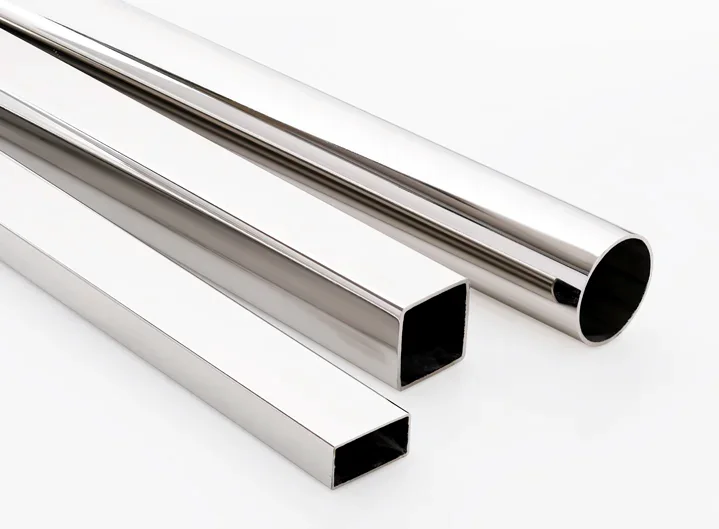
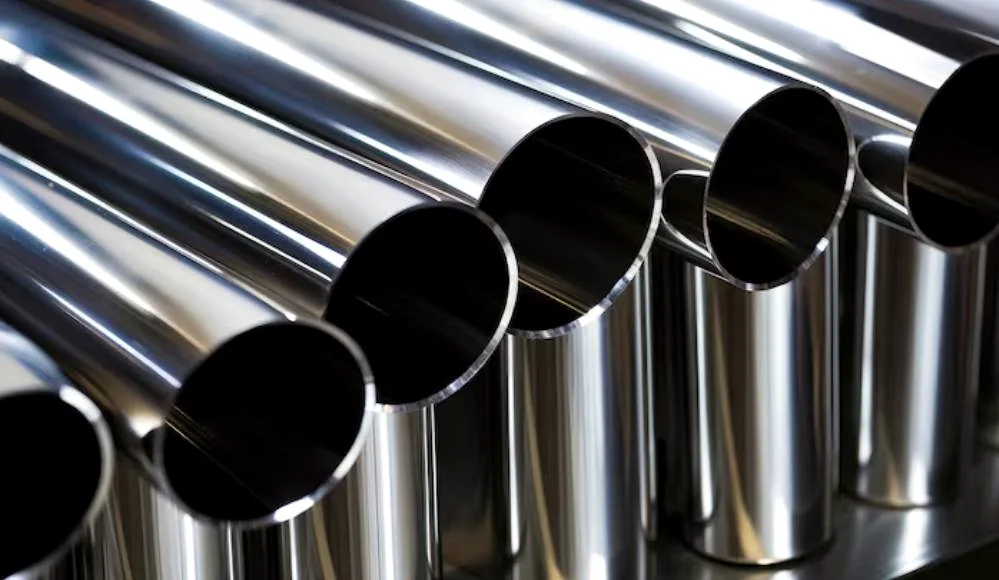
ASTM A554 stainless steel tube is welded mechanical tubing. The current ASTM scope describes welded austenitic, ferritic, and duplex stainless steel mechanical tubing used in ornamental, structural, exhaust, and other applications where appearance, mechanical properties, or corrosion resistance is needed. It includes round, square, rectangular, and special shapes specified by the purchaser.
That scope is useful, but it is not a YUHUA certificate. No current authorized company evidence establishes a blanket A554 range, edition, grade list, size range, testing package or certification. This page explains how to prepare an inquiry. Every offered line and document must be checked in the current quotation.
Use the active edition selected by the project. Do not copy a year from an old article or assume that a previous edition remains controlling.
Keep mechanical tubing separate from pressure pipe
Mechanical tubing and pressure pipe can share alloy names and similar shapes. Their standards serve different product purposes. ASTM A554 addresses welded mechanical tubing within its scope. ASTM A312/A312M addresses specified austenitic stainless steel pipe routes for high-temperature and general corrosive service within its published scope.
If the component carries pressure or forms part of a code-controlled system, the responsible engineer must select the applicable code, product specification, route, grade, and acceptance requirements. Do not insert A554 into a pressure line because a product photo looks right. Conversely, do not force a pressure-pipe specification onto ornamental mechanical tubing without a design reason.
Write the intended service on the RFQ. It helps respondents flag a wrong standard before price and lead time distract the review.
Specify alloy, shape, dimensions, and condition
A complete line should name the A554 edition, alloy designation, round or shaped profile, outside dimensions, wall, length, tolerances, product condition, and end requirements. If a cold-reduced or another permitted condition is required, state it using the standard and project language. Avoid marketing terms that are not defined in the controlled documents.
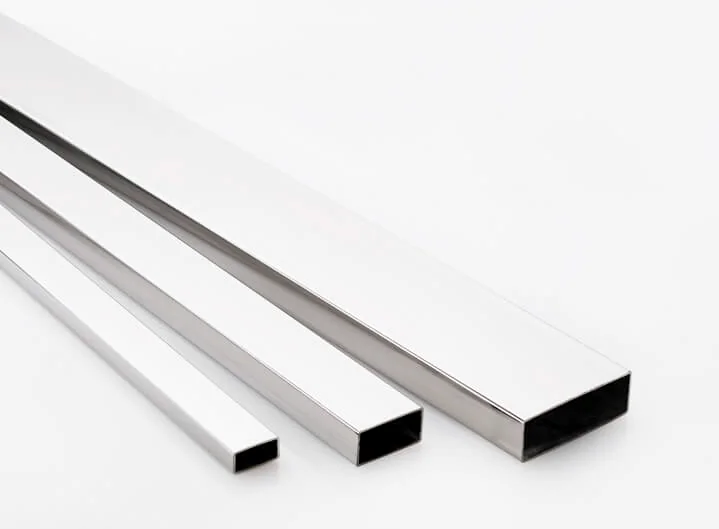
Shape matters. Round, square, and rectangular tube can share a standard while requiring different drawings, corner controls, dimensional checks, and finish references. This welded site owns the standard topic, but it does not create cross-links to separate category sites. Attach the relevant drawing directly instead.
Ask the quote to repeat every field and list deviations. A short line reading A554 polished tube is not enough to compare offers.
Define finish and visual acceptance
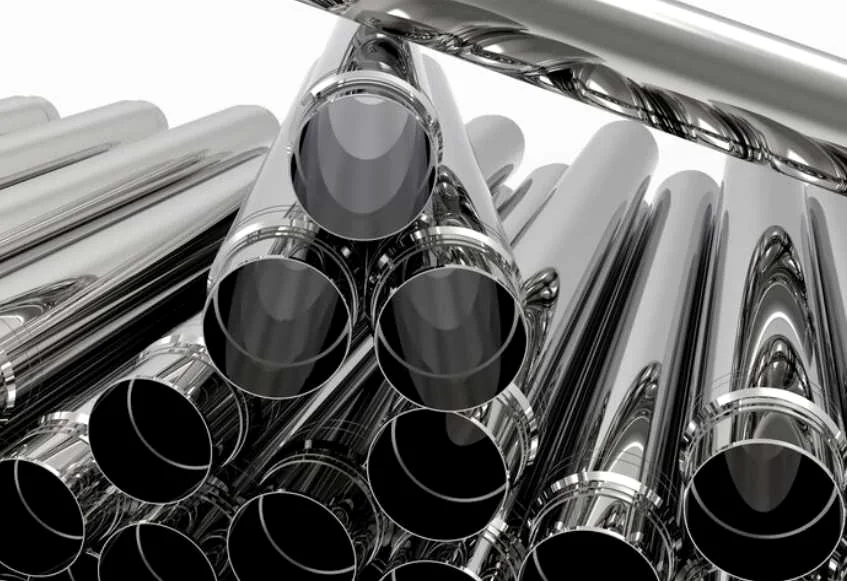
For ornamental work, identify show faces, finish direction, gloss or texture reference, seam orientation, weld blending, corner appearance, allowable marks, protective film, and packing. Use an approved sample or fabricated mock-up when appearance is important. A generic finish number or word may not capture the installed result.
For non-visible mechanical use, surface condition may still affect cleaning, joining, fatigue, or corrosion performance. State the functional reason for each finish requirement. worldstainless fabrication resources provide background on forming, welding, cleaning, and finishing, but the purchase order needs project-specific acceptance language.
Keep final fabrication responsibility clear. A tube standard does not automatically qualify a finished railing, frame, exhaust assembly, or structural component.
List tests, supplementary requirements, and records
ASTM A554 includes optional supplementary requirements that must be stated when desired. Review the active standard rather than relying on a secondary summary. Put every required test, tolerance, inspection, marking, and record on the purchase line or referenced specification. Name method, coverage, acceptance criteria, reporting, and approval owner where the project controls them.
Do not ask for all tests by default. Select the controls that match application risk and governing documents. Equally, do not accept a generic inspected statement when the project requires order-specific results. The quotation should say what is included, excluded, or proposed as an alternative.
Link every requested record to a purpose and acceptance decision. A dimensional report should identify the drawing or purchase line; a material record should use identifiers that can be reconciled with the delivered item; and a finish approval should reference the controlled sample. Document volume is not a substitute for relevance and traceability.
YUHUA must not be described as performing a test or holding an A554 certification unless current, traceable evidence supports that exact claim. The safe public wording is request, verify, and review.
Review quotation and receiving evidence
Compare the quote line by line with the RFQ. Confirm edition, alloy, profile, dimensions, wall, length, condition, finish, tests, records, quantity, and packing. Resolve deviations before purchase. If third-party inspection or a hold point is required, define scope, notice, access, and release authority early.
At receiving, check markings, dimensions, visual condition, packing, and documents against the purchase order. Keep accepted deviations with the material record. A category page should never be used as a receiving specification.
Treat revision control as part of acceptance. The drawing, finish sample, standard edition, quotation, approval note, and inspection record should refer to the same ordered configuration. If one document changes, identify which other documents require reapproval. This is especially important when appearance requirements are carried by a sample while technical requirements are carried by written specifications.
Do not use a general certificate, an undated catalog table, or a product photograph to close a missing order field. Ask for a corrected offer or an explicit deviation. Keep commercial validity and technical approval visible as separate decisions, because a technically suitable line can still be commercially incomplete and a low price can still be technically noncompliant.
For route selection, use the welded-versus-seamless guide. For a grade-specific request, use the 304 welded page. The written current response remains the only basis for YUHUA availability.
Technical references
Questions buyers ask
Does ASTM A554 cover every stainless steel tube?
No. A554 covers welded stainless steel mechanical tubing within its published scope. Other products may require pressure-pipe, heat-exchanger, hygienic, structural-design, or other standards selected by the responsible project authority.
What should an A554 inquiry identify?
State the active edition, alloy designation, shape, outside dimensions, wall, length, tolerances, condition, finish, ends, tests, supplementary requirements, records, quantity, packing, and destination. Attach drawings and finish references where needed.
Does this page prove YUHUA A554 certification?
No. It is purchasing education. Current product availability, edition, compliance, tests, documents, and any certification must be confirmed with traceable evidence for the exact order.
Can A554 be used for a pressure system?
Do not infer that from the tube appearance or alloy. The design authority must select the applicable code and product standard. A554 should not replace a pressure-pipe basis without documented engineering approval.