Separate the alloy request from the route
A 304 welded stainless steel pipe request combines an alloy designation and a manufacturing route. An archived legacy source previously presented a broad YUHUA 304 pipe category, but that company statement is pending mandatory re-verification and cannot establish a welded range, size table, standard, seam process, test package or inventory. This page is an independent inquiry framework.
State the exact approved designation. Do not assume 304 and 304L are interchangeable or that an informal dual label is acceptable. Ask the respondent to repeat the designation and route, then list any deviation separately.
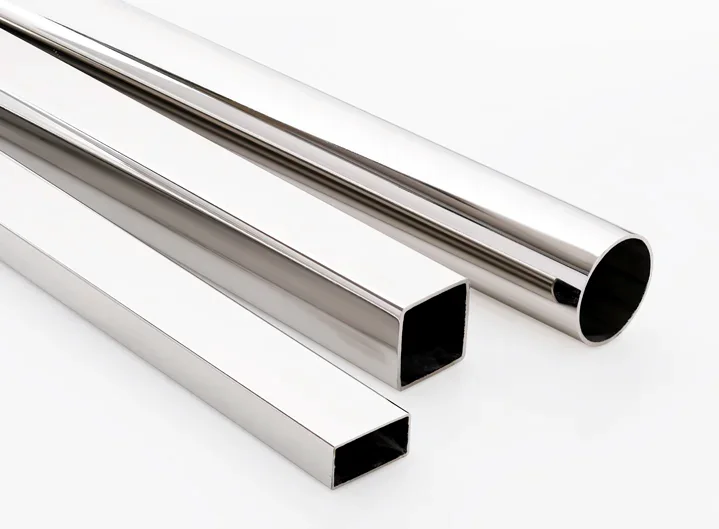
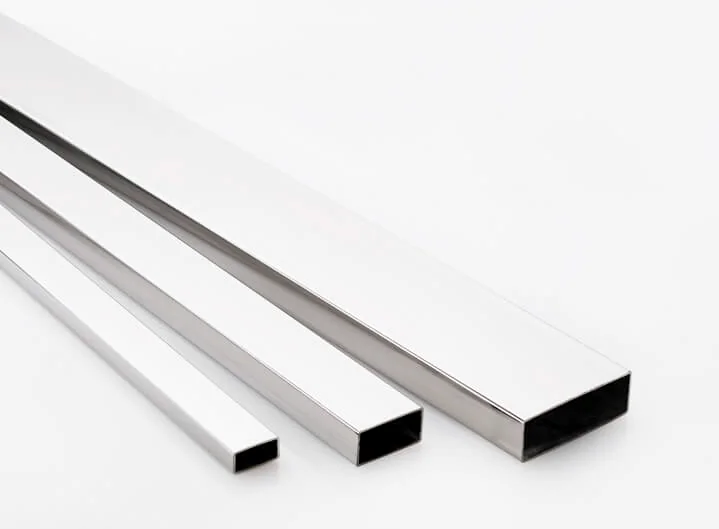
Tie route to standard and service
Name the governing code or project specification, product standard and edition, intended service, design conditions, and permitted route. ASTM A312/A312M includes specified welded routes within its scope, but that does not make it the default for every 304 welded product. Mechanical tubing may require another basis.
Describe corrosion exposure, cleaning, temperature, fabrication, and consequence of failure. The responsible engineer should approve material and route. A supplier response should confirm the offered basis, not create the design decision.
State seam, dimensions, and finish requirements
Provide NPS and schedule or actual OD and wall according to the correct product system. Add length, tolerances, ends, seam condition, heat treatment, surface, cleanliness, marking, and packing where controlled. If seam orientation matters for appearance or fabrication, show it on the drawing.
For visible work, include a finish reference and weld appearance rule. For process service, focus on the requirements named by the approved documents. Avoid adding decorative controls to a hidden pipe or vague pressure language to a mechanical tube.
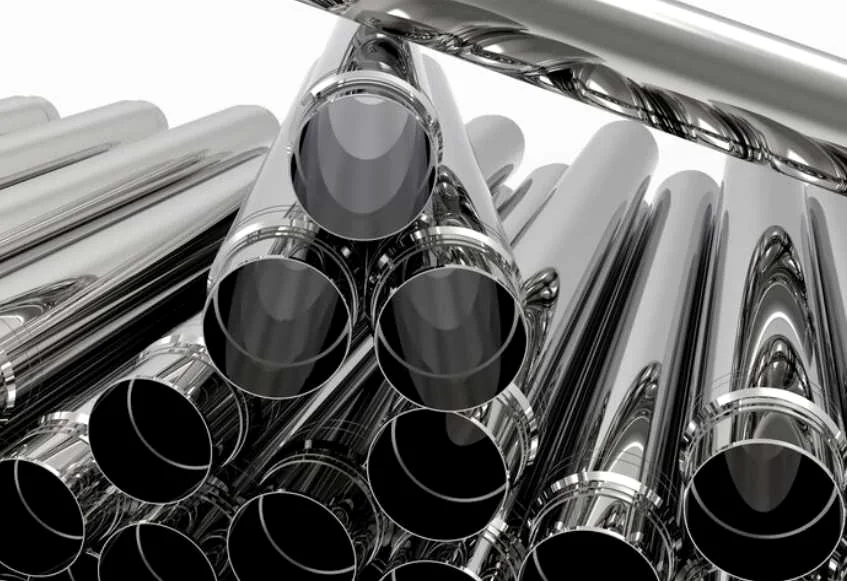
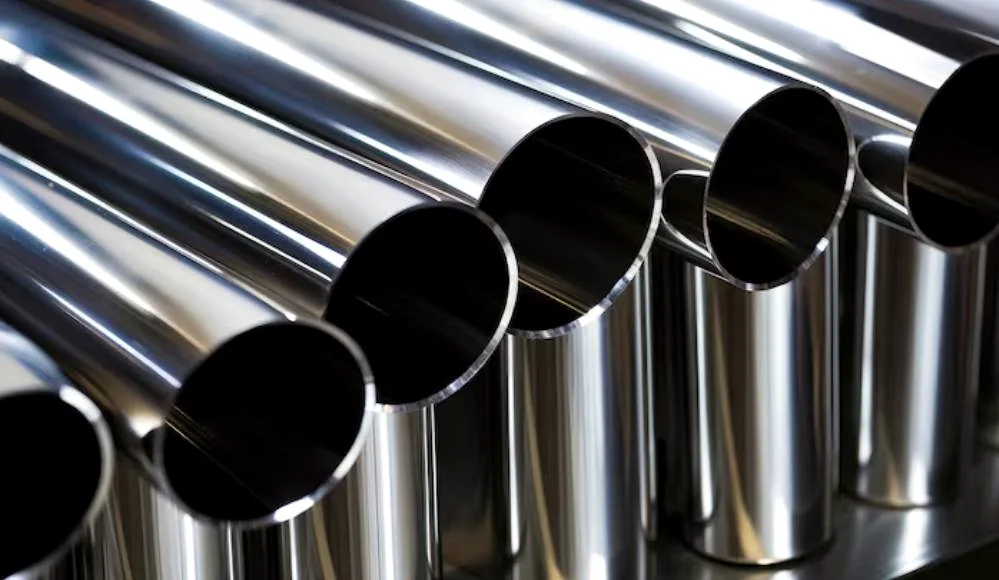
Request evidence tied to the line item
List required tests and records from the governing documents. Name method, coverage, acceptance criteria, reporting, and witness points where needed. Ask for order-specific records connected to the delivered identifiers. Generic brochures and sample certificates do not prove the current order.
Keep requested, offered, and alternative values in separate columns. Verify that the material designation, welded route, standard edition, dimensions, condition, examination, marking, and document identifiers describe one coherent item. Route selection is not complete until the evidence and purchase description agree.
Before release, assign owners for technical approval, document review, commercial acceptance, and receiving inspection. Record open questions and hold points beside the line item. This prevents an unresolved seam condition, examination requirement, or identifier mismatch from being treated as a minor purchasing note.
Compare offers only after grade, route, dimensions, standard, tests, documents, quantity, packing, and exclusions match. Send the final package to YUHUA for current review. The written response determines whether the requested 304 welded item can be offered.
Technical references
Questions buyers ask
Does an archived 304 category record prove a welded range?
No. That record is pending mandatory re-verification and cannot establish the welded route, dimensions, standard, condition, tests, documents, quantity or availability.
Can 304 and 304L be used interchangeably?
Do not assume so. Use the exact designation approved by the product standard and project authority. A substitution or dual designation must be supported by the governing basis and accepted in writing.
What welded details should be stated?
State the permitted route, seam or bead condition where controlled, heat treatment, dimensions, ends, finish, required examination, acceptance criteria, marking, and order-specific records.