Read the process as a controlled chain
How stainless steel welded pipe is manufactured and tested depends on product form, material, standard, ordered condition and customer requirements. A typical route starts with flat material, then forming and longitudinal welding, and may include heat treatment, sizing, straightening, surface treatment, cutting, examination, marking and packing. A generic flowchart should not be copied into a purchase order as if every producer uses the same chain.
This page is independent buyer education. It explains questions for a prospective source and does not state that YUHUA forms, welds, heat-treats, tests or certifies any product in-house.
Start with the governing product standard and approved line item. The process questions should follow that basis, not the other way around.
Check incoming material and forming basis
The selected material designation, flat-product source, surface condition, and traceability basis influence the finished product record. A buyer may need identifiers that connect incoming material to the finished tube or pipe. The required level should come from the standard and project risk, not from a desire for paperwork.
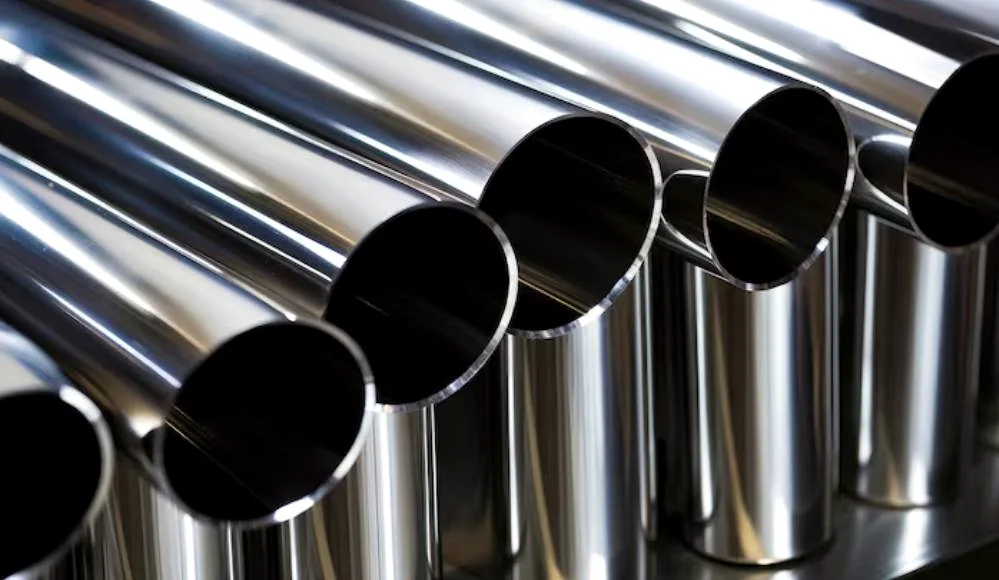
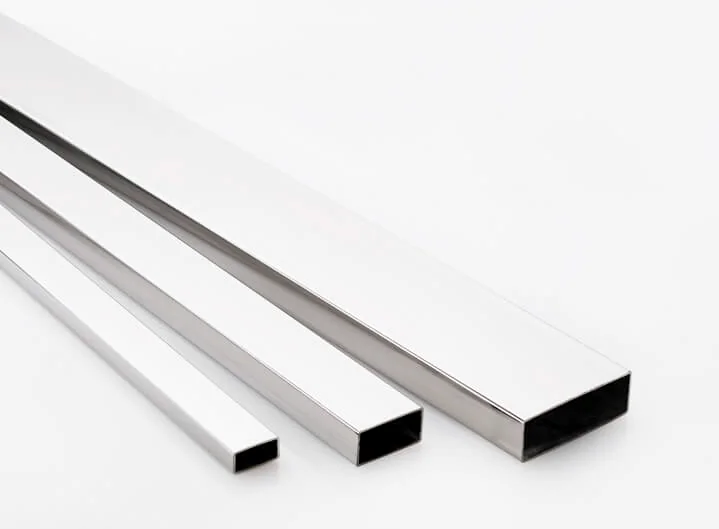
During forming, dimensional control and edge preparation affect the joint and final shape. Round, square, and rectangular products can require different tooling and sizing. Ask the respondent to identify the offered product form, condition, and tolerances. Do not infer equipment, capacity, or dimensional range from an old photograph.
If the final item will be polished or have visible faces, discuss how forming marks and the longitudinal seam are managed. If it will enter a process system, focus on the surface and cleanliness requirements selected by engineering.
Ask how the weld condition is defined
The applicable standard may define permitted welding and subsequent processing. Ask for the offered route using the standard's terminology. Where the project controls seam orientation, bead condition, filler use, heat treatment, or cold work, state those requirements and require the quotation to repeat them.
Avoid vague phrases such as perfect weld or advanced technology. They cannot be inspected. Replace them with the required method, condition, examination, acceptance criteria, and records. If a deviation is proposed, engineering should see it before commercial approval.
Post-weld operations may influence surface condition and corrosion behavior. worldstainless fabrication resources discuss welding, cleaning, descaling, and finishing. Use that background to ask informed questions, then rely on the approved specification for acceptance.
Understand sizing, heat treatment, and finishing questions
After welding, a product may be sized, straightened, cold worked, heat treated, descaled, polished, or otherwise finished according to its specification and ordered condition. Not every operation applies to every product. Ask which condition is offered and how the relevant dimensions and surface requirements are achieved.
Heat-treatment language must come from the governing standard and material designation. Do not ask a website writer to invent temperatures, cooling methods, or furnace capability. If heat treatment is required, specify the evidence and identifiers needed for the delivered lot.
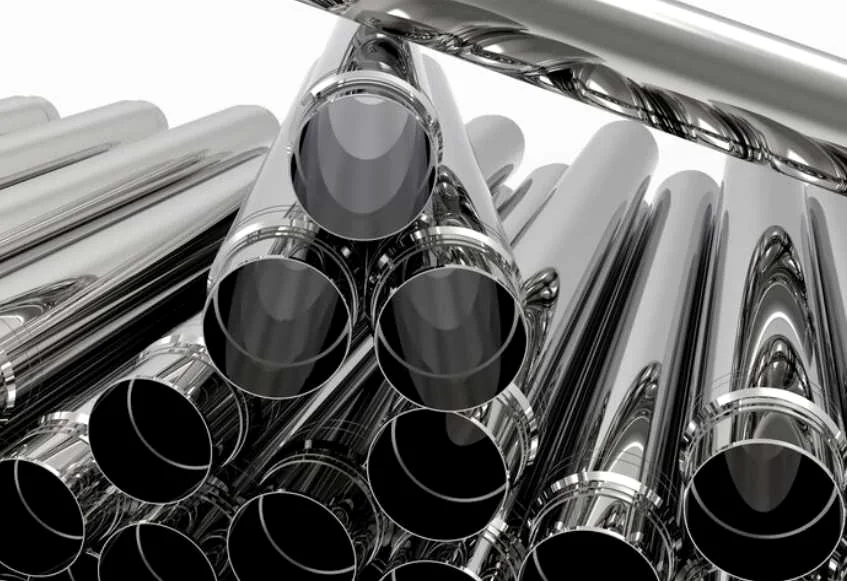
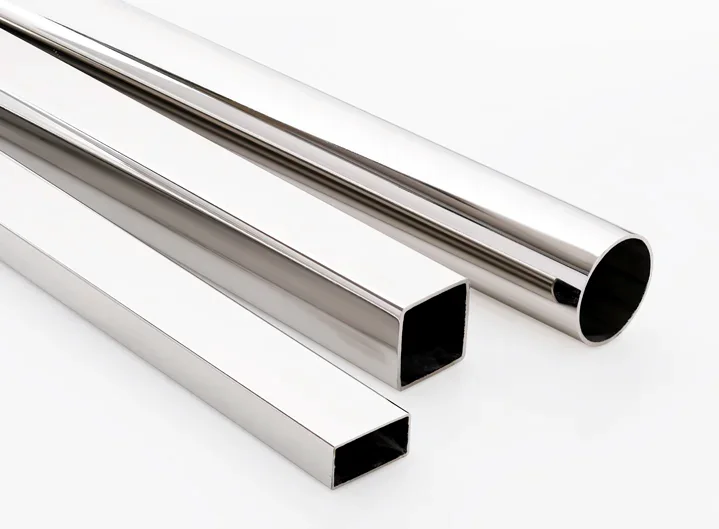
For visible products, define finish direction, seam appearance, corners, reference sample, protective film, and packing. For pressure or process products, define the approved surface, cleanliness, ends, and examination. Different applications create different process priorities.
Build the examination plan from requirements
Testing is not one universal package. Depending on the approved standard and project, requirements may address material analysis, mechanical properties, dimensions, flattening or form tests, seam-related nondestructive examination, hydrostatic or electric testing, surface inspection, and other supplementary controls. Read the active standard and name only what applies.
State method, coverage, acceptance criteria, reporting, witness requirements, and disposition of nonconforming material. A request for 100 percent testing is incomplete unless it names the test and acceptance basis. A claim that a product is fully tested is equally weak.
ASTM A312/A312M and ASTM A554 have different scopes and requirements. The buyer should not transfer a test summary from one to the other. The quotation must identify the offered basis and included evidence.
Connect records to the delivered product
Ask how markings and identifiers link the finished product to order-specific records. Review grade, standard, edition, dimensions, route, condition, test results, and identifiers for consistency. A sample certificate demonstrates a document format; it does not prove a future lot.
Define when documents are reviewed and who may release the material. If third-party inspection is required, set access, notice, hold points, and report expectations before the work starts. Late requests can disrupt both cost and schedule.
Preserve approved deviations with the material file. Receiving and fabrication teams need to know which technical changes were accepted, not just that purchasing closed the order.
Turn process knowledge into an RFQ checklist
Write the approved code and product standard, grade, dimensions, route, condition, seam requirements, heat treatment where applicable, finish, ends, examinations, records, quantity, packing, and destination. Add drawings and reference samples. Ask the respondent to show assumptions and deviations in a dedicated section.
Assign an owner to each approval: engineering for the design basis, quality for inspection requirements, procurement for commercial scope, and logistics for packing and delivery constraints. The exact roles may differ by project, but ownership prevents a process question from disappearing between departments.
Use the welded homepage for the commercial line-item structure and the A554 page for mechanical tubing. Use the welded-versus-seamless guide when both routes are permitted. Those internal routes keep this process article from competing with the category pages.
Finally, ask YUHUA for a current, evidence-backed response. Nothing in this educational article proves a YUHUA manufacturing or testing capability.
Technical references
Questions buyers ask
Does every welded stainless pipe follow the same process?
No. Material, product form, standard, route, condition, dimensions, service, finish, and customer requirements change the operations and controls. Review the exact offered basis rather than relying on a generic flowchart.
Which tests should be requested?
Request the tests required by the approved product standard, code, project specification, and risk assessment. State method, coverage, acceptance criteria, reporting, witness points, and record linkage. Do not order an undefined full test package.
Does this article confirm YUHUA manufacturing or testing equipment?
No. It is buyer education. Current production route, equipment, inspections, tests, records, certification, and capacity require traceable source evidence and an item-specific written response.
How do I check a material test record?
Verify that product description, grade, standard, edition, dimensions, route or condition where required, test results, and heat or lot identifiers agree with the quotation, purchase order, markings, and delivered material.